This Is What It Feels Like
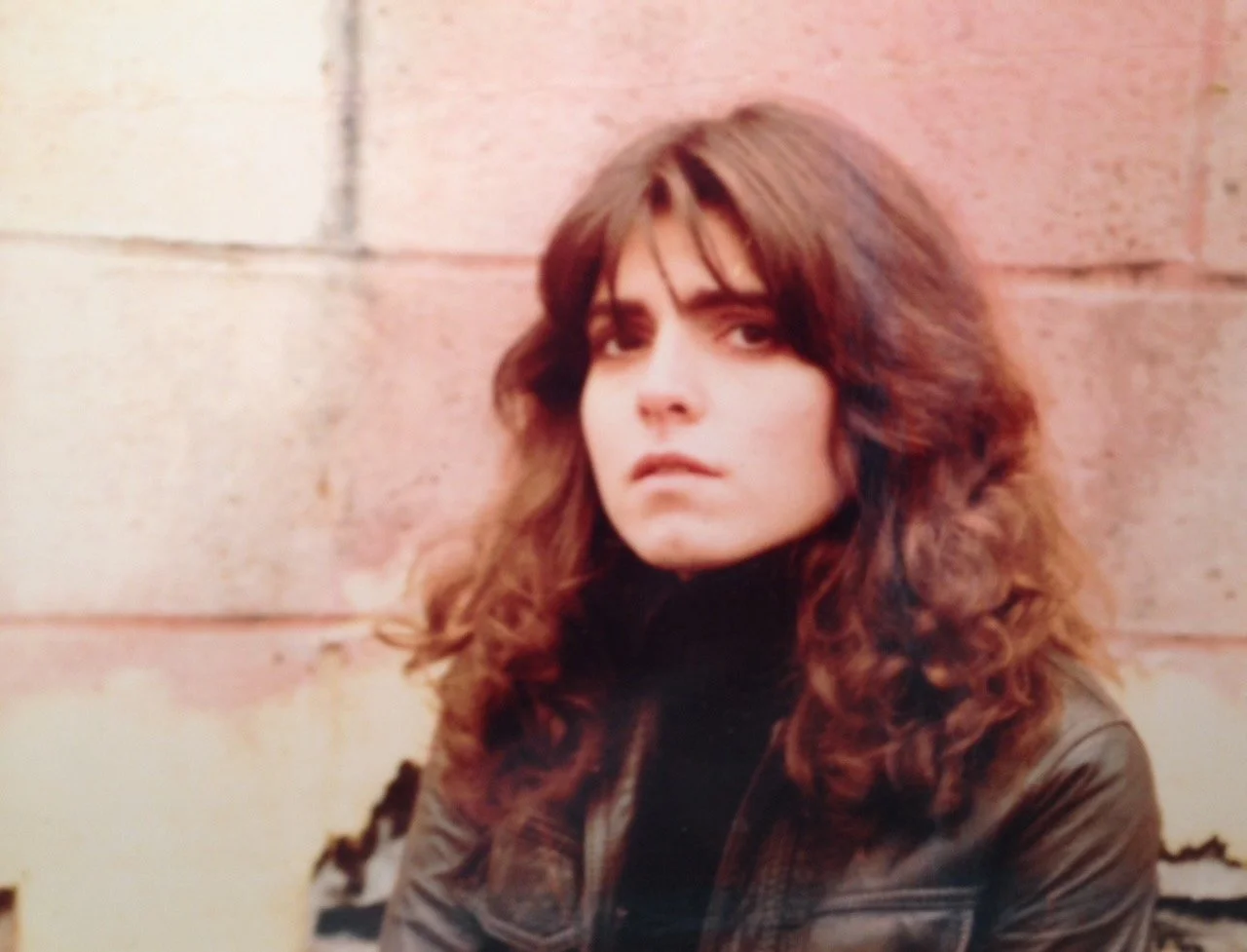
Sometimes an old sorrow hits me in a sudden, visceral way. A gut punch to my heart. How could it still hurt so much? I gasp and move on. I hold the grief. I tamp it down, but carry it. We never stop missing the loved ones we have lost. We just coexist with it. This is what it feels like to be alive.
There are physical hits as well. Lately, my arthritic hip has been announcing itself emphatically, and I cringe before I pivot, anticipating pain. A carefree stroll is accompanied by a dull constant ache, and even at night I no longer move with abandon. This, too, is what it feels like to be alive at 75, the vestibule of old age. My buddy Aristotle, at 94, is further along the corridor, turning sometimes to tell me what to expect. “You will wish you felt as good as you do now,” he says.
Once upon a time, I had expected that I would eventually reach a point of stability and routine, but instead I find there is confusion now, and uncertainty. And this too is what living feels like. So I wing it, walking on air, adept at being clueless.
My bewilderment is tempered, however, by a hard-won equanimity, an implicit understanding that this too, whatever it is, shall pass. “No feeling is final,” as Rilke said. My perspective comes from having seen a lot in the years behind me, and I know there isn’t abundant time in front of me, which yields a kind of bravery. An urgency, perhaps. What will it all have meant? How do I make it matter? I might as well try.
Maybe it’s narcissistic, but I am weirdly fascinated by my own aging, “… an extraordinary process,” in the words of David Bowie, “whereby you become the person you always should have been.” I recall so many versions of myself, very often misguided, touchingly foolish. Millions of missteps and strokes of luck led me to become whoever I am now, and this may be my best incarnation yet.
Today, I heard a fragment of a Brandenburg concerto, and it abruptly deposited me into another time, place, and mental space, as only music can. It was the 1970s, and I was living in a studio apartment in a 19th century brownstone building near Washington Park in Albany while I finished my degree. In the memory that came to me, I had placed a vinyl record of Bach music on the phonograph, my prized possession. Light poured in through a stained-glass window as the music rose and filled the room, and the room became a church, and I felt like somebody who might one day have a life and possibility.
But wait. DID my apartment have a stained-glass window, or is that something I dreamed up? I just wrote to my old friend Barbara, who lived across the hall then, for the answer. (And this too is amazing, to be able to type a few words, hit “send” and instantly summon a faraway friend.) “Yes,” wrote Barbara. “There was a stained-glass window. Your memory is correct.”
It was the best of times, and the worst of times, like all times. There was also a dark hallway, and a wooden staircase with a curved polished banister, and roaches in the kitchen that you could see scurrying around frantically if you turned the light switch on at night. There was a park across the street where Barbara and I used to run together at dusk. Once we drove to the Adirondacks and went hiking. We were good friends, and she is still in my life. That’s one of the gifts.
The man who was supposedly my boyfriend in those days, a professor in Syracuse ten years my senior, had been the one to introduce me to the Brandenburg Concertos, and that was a lovely legacy, but he also gave me a punch in the face and a black eye, which was not lovely, not lovely at all.
And that was how it felt to be alive then. I could be a beautiful woman washed in light and lifted up in Baroque splendor, or a stupid and breakable thing. I guess I was both. (Don’t worry. I left that boyfriend far behind me, and I recently learned that he is dead.)
Countless manifestations of me ensued. Here’s how Stanley Kunitz describes this phenomenon in his brilliant poem, The Layers:
I have walked through many lives,
some of them my own,
and I am not who I was,
though some principle of being
abides, from which I struggle
not to stray.
There is indeed a principle of being, a thread, if you will, through all the ongoing transformations. And this too, is what it feels like to be alive: it is to know that there is something at the core, there from the start, something real and unshakeable, call it faith, call it light, call it code, call it truth, or call it love. I may be wobbly now, but my convictions are firm. I am thin and frail, but I shall not be moved.
There is something else I have noticed as I stand at this junction. I say and see differently. The saying is less censored. And the seeing is, more than ever, intertwined with wonder.
In the last several days, I have watched the faces of other women my age, their mouths round with song as part of our local resistance choir. I’ve seen folks tending to partners hindered by illness, and working to get the vote out, and coaching kids in a little gym that no one knows about. I’ve seen brave amateur performers step up to an open mic, and friends pushing through their weariness in order to be helpful, and I have heard righteous voices raised in ferocity and love proclaiming their defiance and determination.
I saw a deer calmly observing me from the side of the road yesterday, and trees standing tall beneath a white sky, strong and beautiful despite everything, and I found the feather of a red-tail hawk on the ground. In the coffee shop one morning, an old guy (and good singer!) named Byron introduced me to his dog Roo, short for Franklin Delano Roosevelt. Kappy sent me a picture of lacy phacelia, a pollinator magnet and in her words, “the sweetest smell in the world.” I picked up Love in the Time of Cholera from a little free library, and my daughter wrote me a letter, an actual letter in an envelope with a stamp that came all the way from England. I bought a delicate sweater from an 87-year-old lady who knits like an artisan and doesn’t want all her creations left hanging unseen in a closet, and I rode my bicycle to a neighboring town and caught the scent of jasmine and sat on a lawn chair eating ice cream.
I’m not in denial, and I’m not giving up, but intermittent wonder and joy sustain us.
“How shall the heart be reconciled/to its feast of losses?” asked Kunitz, and I think it cannot. Life is perhaps irreconcilable, a spectacle of change and contradiction, grief and amazement in equal measure, flickers of memory seeping into the present moment, and us improvising as we go, not giving up. This is what it feels like.